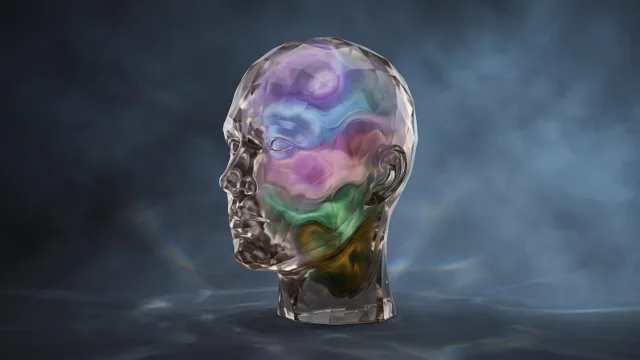
An aura reading is a modern spiritual service that interprets your “aura” as an energetic field around the body, using intuitive perception, symbolic systems, or image-based methods to reflect themes in your mood, boundaries, relationships, and direction. In practice, it’s less like a lab test and more like a guided mirror: a reader gathers information (from you, a photo, or their impressions), describes what they sense as colors, layers, or textures, and then helps you translate those symbols into something you can use.
Aura readings can feel surprisingly specific when they’re done well, but they’re not medical evaluations, not diagnostic tools, and not a guaranteed window into objective truth. Think of them as a structured conversation with symbolism at the center.
What people mean by “aura” in an aura reading
In contemporary metaphysical circles, “aura” usually refers to a subtle energy body or luminous field said to surround living beings. Different traditions describe this differently, and many modern readers blend frameworks.
If you want the deeper background and how the word “aura” differs from medical uses of the term (like neurological “aura”), our companion explainer covers those distinctions: What Is an Aura? Meaning and Spiritual Traditions.
For this article, what matters is how “aura” functions inside the reading itself. Most readers treat the aura as a symbolic snapshot of your current inner climate. That snapshot may include:
A dominant tone (often described as a color)
Supporting tones (secondary colors, gradients)
Qualities (brightness, density, smoothness, static, “holes,” “cords,” warmth)
Placement (near the head, heart, hands, or around the whole body)
Whether you see this as literal energy, intuition, or metaphor, the output tends to be similar: a story about what you’re carrying and what you’re ready to shift.
What an aura reading is and isn’t
An aura reading is typically used for reflection: “Where am I right now, emotionally and energetically? What pattern keeps repeating? What boundary is getting crossed? What do I need to reclaim?”
It isn’t designed to replace therapy, medical care, or financial/legal advice. Reputable practitioners will avoid diagnosing illness, promising cures, or telling you what you “must” do. The strongest readings don’t remove your agency; they give you language to work with your own.
If you’re drawn to aura work because you’re craving steadiness or “alignment,” you may also like What Does Spiritual Alignment Mean?, which frames alignment as an ongoing practice rather than a permanent state.
How an aura reading works: the most common methods
There isn’t one universal technique. “Aura reading” is an umbrella term, and knowing the method matters because it shapes what you’re actually buying.
Intuitive or clairvoyant-style reading
This is the classic format: the reader centers themselves, looks at you (in person or via video), and describes impressions they claim to perceive in your energy field.
Typical process:
You share a question or intention
The reader describes what they sense: colors, shapes, temperature, movement
They interpret those symbols (for example, a “dense” area might be framed as stress or guardedness)
They offer grounded suggestions: boundary practices, journaling prompts, mindset shifts
This can feel powerful when the reader is skilled and ethical, because it’s responsive and conversational. It can also be vague if the reader relies on broad statements that fit anyone.
Photo-based aura reading
Many online aura readings ask for a recent photo. The reader then “tunes in” to your energy through the image.
This method is popular because it’s convenient and less time-intensive. It also creates a clear deliverable: a written reading you can revisit.
Limits to understand:
A photo can’t capture your day-to-day variability
A reader may be influenced by visual cues (expression, lighting, setting)
Without live interaction, you may get fewer clarifying questions
“Aura photography” and device-based approaches
Some services use a camera-like device said to capture the aura. In practice, many of these systems measure skin conductance or other physical inputs and translate them into color imagery.
Some people treat that image as symbolic feedback rather than literal proof. If you’re considering this type of session, ask what the device actually measures and how the colors are generated.
Guided self-reading (coaching style)
A growing number of practitioners treat aura reading as a collaborative coaching session. Rather than claiming certainty, they’ll use questions and symbolism to help you identify what resonates.
This approach can be especially helpful if you’re sensitive to suggestion or if you want a reading that strengthens your self-trust.
If you tend to second-guess yourself, you might also explore Intuition vs. Anxiety: Understanding the Difference so the reading doesn’t become another source of spiraling.
What happens during a session (step-by-step)
Most aura readings, regardless of method, move through the same beats.
1) You name your focus
Common focus areas include:
Relationships and boundaries
Creative direction and motivation
Confidence and visibility
Burnout, overwhelm, emotional “noise”
Life transitions and identity changes
A good reader helps you turn a vague wish into a workable question. For example, “What is my aura color?” can become “What theme is most present in my energy right now, and what supports it?”
2) The reader describes the field
You’ll usually hear language like:
Primary/secondary colors
Brightness or “clarity”
Texture (smooth, frayed, prickly)
Movement (swirling, pulsing, stagnant)
Edges (wide/expansive vs. tight/contracted)
This is the raw data stage. You’re listening for patterns, not verdicts.
3) Interpretation and translation
This is where symbolism becomes meaning. Some readers use common spiritual color associations; others build interpretations based on chakras, archetypes, or their own intuitive vocabulary.
Because you asked not to repeat a full color guide, we’ll keep this simple: if you want a broad reference, see Aura Colors Explained: A Beginner’s Guide. The key idea is that color language is typically symbolic, not diagnostic.
4) Practical integration
A strong session ends with something you can do.
Examples of integration that stay grounded:
A boundary phrase to practice before a difficult conversation
A journal prompt (for instance, “Where am I overexplaining to feel safe?”)
A small experiment: one week of saying no without giving a reason
A ritual-like practice that’s psychologically supportive (breathwork, a daily intention)
If you want a gentle structure for turning a reading into action, How to Create Meaningful Intentions for Your Future is a useful companion.
The best questions to ask an aura reader
The quality of your questions often determines the usefulness of the reading. “Tell me everything” tends to produce a flood of symbolism you can’t apply. Better prompts invite clarity.
Ask questions like:
What theme is most dominant in my aura right now, and what is it asking me to notice?
Where am I leaking energy, and what boundary would restore balance?
What supportive quality is present that I’m underusing?
What pattern keeps repeating in my relationships, and how does it show up in my energy?
What would help me move from stuck to steady over the next month?
Also consider asking the practitioner directly:
How do you do an aura reading, and what information do you need from me?
Do you use a specific framework (chakras, colors, intuitive impressions), or is it open-form?
How do you handle topics like mental health, trauma, or medical questions?
What will I receive afterward (notes, recording, summary)?
A reader who welcomes these questions is usually safer to work with.
Pricing: what aura readings cost and why
Pricing varies widely based on format, experience, and deliverables.
Typical pricing factors:
Session length: 15–20 minutes vs. 60–90 minutes
Live vs. written: live time tends to cost more; written may be cheaper but less interactive
Extras: recordings, follow-up emails, detailed PDFs, add-on coaching
Provider positioning: some readers price like spiritual coaching; others price like a quick intuitive check-in
As a consumer, what you’re really paying for is time, attention, and the practitioner’s interpretive skill. Higher cost doesn’t automatically mean higher quality, but extremely low-cost “mass readings” can be generic.
If you’re curious but not ready to commit, starting with a simple, low-stakes option can help you learn what style resonates.
For a gentle introduction, you can explore our reading page here: Aura Sketch. (As noted on the page, the introduction is free where offered, and optional paid offers may be available.)
What a good aura reading feels like
A useful aura reading usually has three qualities.
It’s specific without being absolute
You’ll hear concrete observations you can test against your life, but not rigid claims like “This will happen” or “You are only this.”
It leaves you with agency
You should feel more choice, not less. The reader might name a pattern, but you decide what it means and what you’ll do.
It respects boundaries
Ethical readers don’t push fear, dependency, or urgency. They don’t claim you’re “cursed,” tell you you need repeated paid sessions to be safe, or insist they’re the only person who can clear you.
Limitations: what aura readings can’t reliably do
Aura readings, especially intuitive ones, are subjective. Even if you fully believe in subtle energy, two readers may describe different colors or themes. That doesn’t automatically mean either is “lying”; it may mean they’re reading different layers, using different symbol vocabularies, or interpreting through their own lens.
Common limitations to keep in mind:
Suggestion effects: if you arrive anxious, you may hear everything through an anxiety filter
Vagueness risk: broad statements can feel true because they’re broad
Overreach: some readers drift into medical, legal, or mental health territory they’re not qualified to address
Dependency: repeatedly outsourcing your inner knowing can weaken it
One of the healthiest ways to use an aura reading is as a reflection tool, then verify through lived experience: Does this interpretation help you make a kinder, clearer decision?
How to prepare for an aura reading
You don’t need elaborate rituals to “have a good aura.” Simple preparation is usually best.
Choose one focus question. Write it down.
Decide your boundaries ahead of time. For example: “I’m not discussing medical issues,” or “I’m not asking about a specific person’s private thoughts.”
Note your current context. Lack of sleep, grief, or high stress can color the entire session.
Bring something to capture takeaways. A note on your phone is enough.
If you’re in a major transition and everything feels foggy, it can help to pair the reading with a clarity practice afterward. How to Find Clarity When Facing a Big Decision offers a grounded way to translate insight into next steps.
After the reading: how to integrate without overinterpreting
The biggest mistake people make is treating a reading like a final answer instead of a starting point.
Try this instead:
Pick one phrase that felt true and define it in your own words.
Choose one small action that matches it.
Track what changes over a week: mood, boundaries, energy, willingness.
If the reading included color language, remember that colors are often used like emotional metaphors. If you want to go deeper into the “change” question without turning it into a personality label, our companion piece Can Aura Colors Change? Exploring Different Spiritual Interpretations keeps the focus on variability and meaning-making.
Choosing a practitioner: quick ethical checkpoints
Because the field is unregulated, choosing well matters.
Look for signs of a grounded, respectful approach:
Clear description of method and scope
Permission-based language (they ask, they don’t declare)
Comfortable saying “I don’t know”
No fear tactics, no hard sells, no claims of guaranteed outcomes
Encouragement to use your own discernment
If you’re exploring aura readings as part of a broader self-reflection practice, it can help to build a routine that doesn’t rely on any single modality. That might include journaling, mindfulness, therapy or coaching when appropriate, and periodic symbolic tools like aura or numerology readings.
The simplest definition to take with you
So, what is an aura reading?
It’s a guided, symbolic interpretation of your current energetic and emotional landscape, delivered through a practitioner’s intuitive impressions or a structured method, and meant to support insight, not replace your judgment. When you treat it as reflective information you can test and integrate, an aura reading can become less about “What color am I?” and more about “What is my life asking me to notice right now?”
Sources & further reading
Sources provide context for the specific topics discussed. They do not establish supernatural claims or endorse the reading experiences.