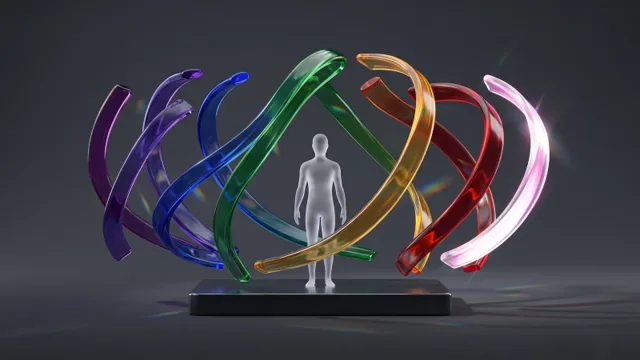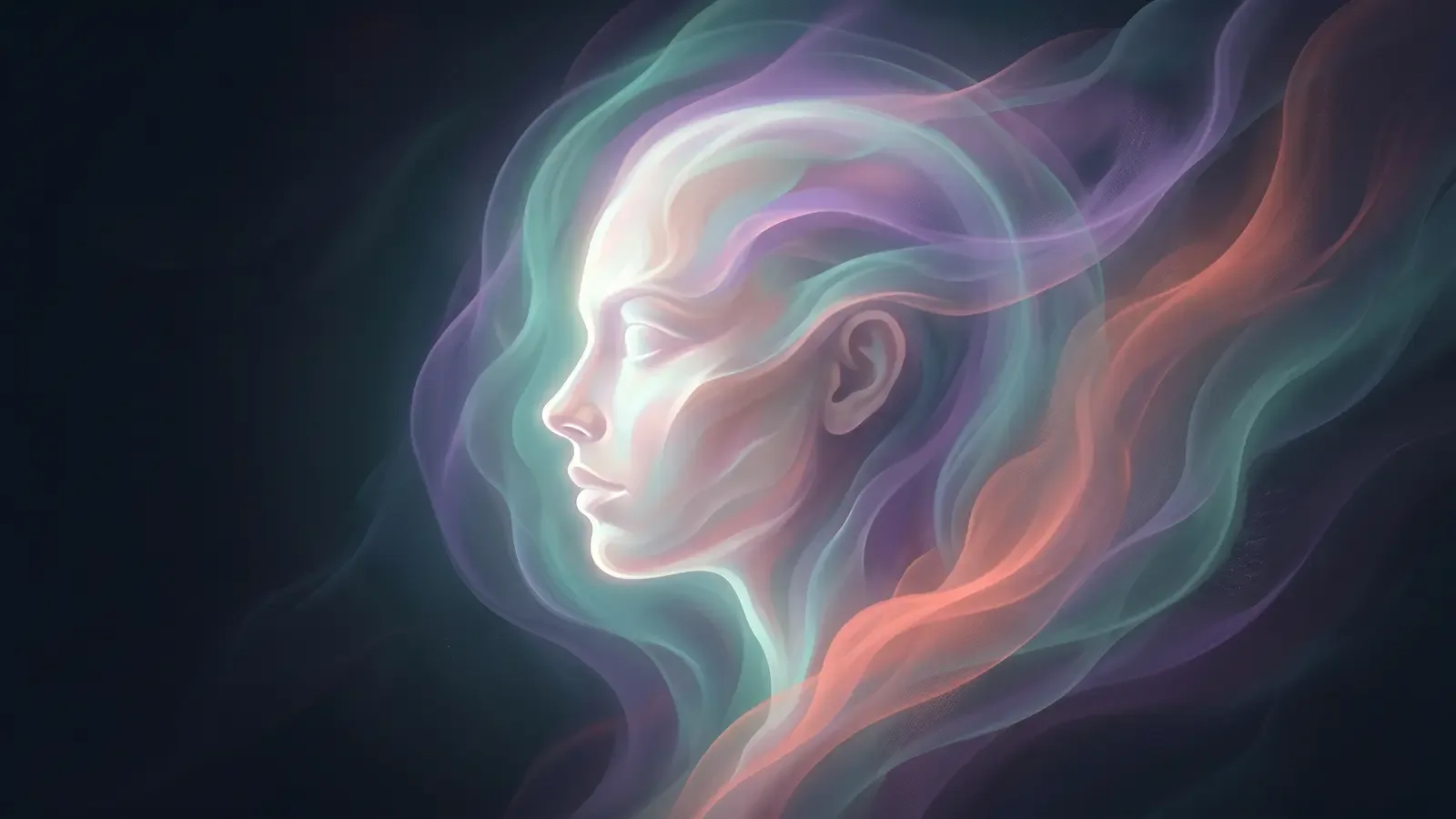
An aura is commonly described, in modern spiritual language, as a subtle “field” around a person that reflects mood, vitality, and the way they are relating to the world in a given moment. In everyday conversation, people may say someone has a “warm aura” or a “tense aura” as shorthand for a felt impression. In esoteric traditions and contemporary energy work, “aura” becomes a more specific idea: an energetic atmosphere that can be sensed, symbolically interpreted, and sometimes described in layers.
Just as importantly, “aura” also has a medical meaning that is completely different. In neurology, an aura can be a sensory disturbance (visual, auditory, bodily, or emotional) that sometimes precedes a migraine or a seizure. That clinical use is not spiritual, not symbolic, and not about energy fields.
This article defines what people mean when they ask “what is an aura,” traces how the idea developed across spiritual movements, and clarifies how to use aura concepts responsibly without confusing them with medical language or turning them into certainty.
What people usually mean by “aura”
When someone asks what an aura is, they’re usually reaching for language that explains why a person feels vivid to be around.
You’ve likely experienced it without calling it an aura: you walk into a room and sense tension; you meet someone and feel instantly at ease; you feel “drained” after a conversation even though nothing overtly bad happened. In ordinary psychology, we might attribute those impressions to body language, tone, context, and our own nervous system. In spiritual frameworks, those same impressions may be framed as sensing an aura.
In modern symbolic usage, an aura can be understood as a personal atmosphere.
Not a medical scan.
Not a guaranteed “truth” about someone.
More like a live-weather report of how it feels to be near them, filtered through the perceiver’s sensitivity, bias, and current state.
Aura in spiritual traditions: a short, careful history
The word “aura” has roots in Latin and Greek usage meaning breath, breeze, or a faint glow. Over time, it became a useful metaphor for radiance around people and sacred figures in art and religious imagination. But the contemporary aura-as-energy-field idea mostly solidified in the 19th and 20th centuries, especially through Western esoteric movements.
Theosophy, “subtle bodies,” and the modern aura
Many contemporary aura teachings draw from Theosophy and related occult currents that popularized the concept of subtle bodies: multiple layers of being that include physical life plus finer, non-physical layers (emotional, mental, spiritual). In these systems, the aura is often described as what surrounds and interpenetrates the body—an interface between inner life and environment.
It’s worth noting what this is and isn’t.
It is a spiritual model: meaningful to believers and practitioners.
It is not a scientific measurement.
People may report perceiving auras visually or intuitively, but the tradition is interpretive by nature.
Yoga traditions and the language of energy
Some modern aura language borrows terms from Indian spiritual traditions—especially the idea of prana (life force) and the chakra system. In popular New Age writing, prana and chakras are frequently used as a map for understanding emotional states and spiritual growth.
Because these ideas travel across cultures, it helps to handle them with respect: acknowledge you’re working with a modern, globalized spiritual vocabulary, not claiming a single ancient authority or “one true” interpretation.
Christianity and sacred radiance (not the same as aura-reading)
In Christian art, halos and luminous glows signify holiness, sanctity, or divine presence. That symbolism can resemble aura imagery, but it serves a different purpose: it’s theological and artistic, not an instruction for reading everyday people’s energy. Still, it contributes to the broader human habit of portraying inner qualities as light.
What an aura is not: separating spiritual aura from medical “aura”
The medical use of “aura” is important to understand because it can sound deceptively similar.
In clinical contexts, an aura is a warning phase or set of symptoms that can precede a migraine or seizure. It might involve flashes of light, zig-zag lines, numbness, unusual smells, déjà vu, or a sudden wave of emotion—experiences that come from neurological activity.
That is not the same topic as spiritual auras.
If you ever experience new, unusual sensory disturbances—especially if they’re sudden, recurring, or frightening—treat that as a health question, not an aura-reading question.
Spiritual language is best used where it belongs: meaning-making, reflection, and personal insight.
Do auras have “layers”?
In many modern metaphysical systems, yes—auras are described as layered or multi-band, with each layer corresponding to a different aspect of the self. You might hear phrases like etheric body, emotional body, mental body, or spiritual body.
As a practical reader, you don’t have to adopt a complex map to make aura language useful.
You can treat “layers” as a way of asking better questions:
Are you sensing someone’s immediate mood, or a more stable life pattern?
Are you responding to their words, or to the emotional charge beneath their words?
Are you picking up their state, or projecting your own?
That last question is the one most aura conversations skip—and it’s often the most important.
Can you really see an aura?
Some people report seeing a colored glow, shimmer, or outline around bodies, especially against plain backgrounds. Others describe it as a felt sense, like pressure, warmth, or tingling. And many people don’t perceive anything like that but still use aura language metaphorically.
All three approaches can coexist.
The key is to keep the claim proportional to the experience:
If you feel someone’s presence as calming, it’s fair to say “their aura feels calm to me.”
It’s a bigger leap to say “their aura proves they’re spiritually advanced,” or “their aura means they will do X.”
Aura talk becomes most grounded when it stays close to lived perception and humble interpretation.
Why aura colors became so popular (and why this article won’t assign you one)
Aura colors are one of the most recognizable parts of aura culture—reds, blues, purples, greens, yellows, and so on. Color language gives people an accessible way to talk about subtle impressions.
But color systems are not universal. They vary by author, lineage, and reader. And color meanings can quickly drift into overconfidence (“blue means you’re honest,” “purple means you’re psychic,” “green means you’re a healer”). Those can be interesting symbols to explore, but they’re not diagnostics and not guarantees.
If you want a beginner-friendly overview of how modern symbolism tends to treat colors, keep it separate from this foundational definition and read our companion guide: Aura Colors Explained: A Beginner’s Guide.
And if you’re curious whether your aura can look different at different times, that’s a separate question too: Can Aura Colors Change? Exploring Different Spiritual Interpretations.
A grounded way to think about auras: “signal, story, and setting”
Auras become most useful when you treat them as a blend of three factors.
Signal: what’s actually happening in you and the other person—emotion, nervous system activation, attention, fatigue, excitement.
Story: the meaning you attach to what you sense—your beliefs, spiritual framework, and personal associations.
Setting: the context—where you are, what just happened, power dynamics, history, and safety.
For example, you might sense a “heavy aura” at a family gathering.
Signal: your body is bracing for old patterns.
Story: you interpret that heaviness as “their energy is negative.”
Setting: the room is crowded, you didn’t sleep well, and there’s unresolved conflict.
Aura language can still be helpful here, but it becomes far more compassionate and accurate when you allow setting to matter. Not every “heavy aura” is someone else’s moral failing. Sometimes it’s a nervous system telling the truth about stress.
If you want a practical companion to this kind of discernment, it can help to explore the difference between inner guidance and fear spirals: Intuition vs. Anxiety: Understanding the Difference.
Are auras about “spiritual alignment”?
In modern spiritual self-help, auras are often connected to the idea of being aligned: coherent, clear, living in a way that matches your values. In that sense, “bright aura” often means “someone who feels congruent,” not “someone who is perfect.”
This is one of the healthiest ways to use aura language—because it points you back to your choices and integrity rather than ranking people.
If that’s the lens you’re drawn to, you may also like: What Does Spiritual Alignment Mean?.
What an aura reading is meant to do (and what it can’t)
Aura readings, in contemporary practice, are typically offered as intuitive sessions, symbolic interpretations, or energy-based reflections. Some focus on describing general qualities; others focus on current blocks, themes, or emotional patterns.
A responsible aura reading does a few things well:
It names impressions as impressions, not facts.
It invites your feedback and lived experience.
It avoids diagnosing health conditions or promising outcomes.
It leaves you with something you can reflect on—language for patterns, boundaries, and needs.
If you want the process details—what a session looks like, what questions to ask, and how to evaluate a reader—see What Is an Aura Reading and How Does It Work?.
A simple, non-color aura exercise you can try today
You don’t need to “see” a glow to explore aura meaning. Try this as a three-minute reflection after any interaction that leaves an emotional aftertaste.
First, name the atmosphere.
Without using color, pick one word: open, guarded, charged, calm, sharp, tender, scattered, steady.
Second, locate it in your body.
Where did you feel it? Throat, chest, belly, shoulders, behind the eyes? This keeps the exercise honest. It anchors the “aura” in your actual experience.
Third, choose one boundary or action.
Not a dramatic one—something realistic. Maybe it’s “I’ll reply tomorrow, not tonight.” Maybe it’s “I’ll ask one clarifying question instead of assuming.” Maybe it’s “I’ll take a short walk before I go back into that room.”
That’s aura work at its best: not performance, but awareness plus choice.
When aura language helps, and when it harms
Aura language helps when it:
Gives you a vocabulary for subtle emotional information
Encourages self-responsibility and reflection
Supports gentler communication (“I felt tension”) rather than accusations (“You are negative”)
Aura language harms when it:
Becomes a shortcut for judgment or social sorting
Claims certainty about strangers
Treats trauma responses as “bad energy” rather than understandable protective patterns
Replaces medical care or mental health support when those are needed
The difference is tone and intent. Used carefully, “aura” can be a poetic and psychologically useful way to talk about what you sense. Used carelessly, it can become a spiritualized form of labeling.
If you want to explore your aura in a guided way
If you’re curious about your own aura without jumping straight into color claims, a gentle entry point is a symbolic sketch-style reading. Our introduction page explains what to expect and what the format can and can’t offer: About Aura Sketch & Reading.
From there, if you decide to go deeper, treat any aura insight the way you’d treat a meaningful dream: as material for reflection. Keep what resonates, test it against your lived reality, and let it support practical next steps.
Auras, at their most useful, aren’t about proving anything. They’re about paying closer attention to the felt life you already have.
Sources & further reading
Sources provide context for the specific topics discussed. They do not establish supernatural claims or endorse the reading experiences.