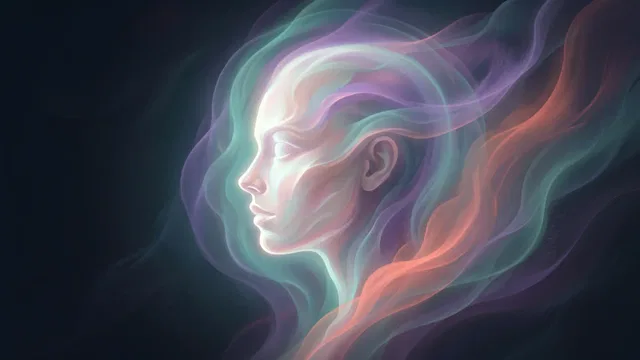
Aura colors are symbolic associations used in some contemporary spiritual practices to describe qualities such as calm, creativity, compassion, or renewal. There is no single accepted color dictionary, and an aura reading is not a scientifically established way to measure personality, diagnose health, or predict events.
That leaves room for an enjoyable kind of exploration. A color can give you language for a mood or a value before you have the words for it. This guide explains common associations, where interpretations differ, and how to use the imagery without mistaking it for a test result.
A color vocabulary, not a universal code
In spiritual writing, an aura is often described as a field surrounding a person. Practices differ in how they claim to perceive or interpret it: a reader might describe an impression, a quiz might assign a palette, or an artist might make a portrait from answers you provide. Those processes are different, even when they use the same word.
A quiz-based portrait is an artistic interpretation. A photograph or a colorful image does not, by itself, establish that an invisible field has been measured. Before paying for a reading, ask what information creates the result and what the provider actually claims to deliver.
The word “aura” also has a medical meaning, including symptoms associated with migraine. That use is separate from spiritual color symbolism. New or concerning sensory symptoms need appropriate medical attention, rather than interpretation through an aura chart.
Purple: imagination and inner attention
Purple is often linked in modern aura guides with intuition, imagination, or spiritual curiosity. You might use it to ask where you need more room to think, make art, or notice your inner responses.
Imagine someone who spends every spare hour consuming other people’s ideas but rarely develops their own. A purple-themed journal page could become a reminder to spend twenty minutes drawing or writing before opening another app. The practical value comes from the attention they choose to give, not a special ability assigned by the color.
An interpretation that promises psychic powers or unusual spiritual status goes beyond a useful symbol. You can enjoy purple as a personal image without treating it as evidence of a gift or a duty.
Blue: communication with room to pause
Blue is commonly associated with calm, expression, and communication. It can be a helpful prompt when you have been saying “I’m fine” while quietly hoping someone will notice that you need support.
Try completing the sentence “What I wish I could say clearly is…” Then turn the answer into one specific request. “Could we agree on a quieter hour after work?” is more useful than deciding that a blue aura means you are naturally good at communication.
Calm is also not the same as silence. A blue interpretation should not encourage you to suppress disagreement or remain agreeable when a boundary needs stating. Good communication sometimes sounds firm.
Green: growth that includes limits
Green often symbolizes renewal, balance, nature, and care. It can point toward the conditions that help you grow: enough time, realistic expectations, supportive relationships, or a less crowded schedule.
Think about a plant that needs both water and drainage. “More” is not always better. A person using green as a reflection theme might remove one obligation instead of adding another wellness routine. Growth can involve pruning as well as expansion.
Claims that a green aura reveals the condition of your body or grants healing powers should be treated separately from this symbolism. A color interpretation cannot establish a medical fact about you or another person.
Pink and yellow: connection and expression
Pink is frequently linked with affection, tenderness, and compassion. Ask what caring looks like when it includes consent and reciprocity. Calling someone compassionate does not mean they should always be available, absorb another person’s anger, or make every relationship work.
A small pink-themed exercise is to list one way you offer care, one way you like to receive it, and one limit that makes both possible. The third item matters as much as the first two.
Yellow is commonly associated with optimism, confidence, and creativity. Use it to identify something you would like to try while allowing uncertainty. You can be hopeful about a new project and still make a budget, prepare for setbacks, or admit that you are nervous.
If “positive energy” language makes you feel responsible for being cheerful all the time, set it aside. An honest account of your day can include disappointment and joy without needing to correct either into a more flattering color.
Red, orange, white, and mixed palettes
Modern charts often connect red with vitality or grounded action, and orange with enthusiasm or creative expression. White may symbolize clarity or spiritual openness. These meanings vary, and no palette makes a person more valuable or more “pure” than anyone else.
Mixed colors are sometimes described as layered qualities. A blue-green palette might suggest communication and renewal, for example. That is a creative interpretation, not a formula in which combining colors proves a new psychological trait.
Darker or muted colors are especially vulnerable to frightening descriptions. Avoid readings that label a person dangerous, damaged, cursed, or in urgent need of an expensive cleansing based on an image. A color should not become a reason to mistrust yourself or fear someone else.
Can your colors change?
Some spiritual practitioners describe auras as changeable; others emphasize enduring qualities. Because the underlying interpretations and methods differ, there is no universal schedule for change and no established scientific baseline against which to compare a spiritual color result.
A simpler observation is that your own associations change with context. Blue may feel restful on one day and lonely on another. A palette that once represented excitement might later remind you of an exhausting period. That shift in meaning can be worth noticing without claiming that an invisible field has changed.
If you repeat a quiz, differences may reflect your answers, the questions, or the method used. Ask about those ordinary explanations before interpreting a new result as a dramatic spiritual event.
Build a color reflection you can actually use
Choose a color you are drawn to today. Write the first three words it brings to mind before consulting anyone else’s list. Then choose one small situation in which those words could be helpful.
If you choose green and write “space, patience, outdoors,” your action might be taking a short walk without an audio track. If you choose yellow and write “play, courage, expression,” it might be sending a rough creative draft to a trusted friend. Neither action requires a claim about your aura.
At the end of the week, ask whether the exercise helped you notice a need or make a choice. Keep the part that worked. If the symbolism felt forced, choose a different image or use plain words instead. Butterfly symbolism offers another visual approach to reflection.
Before you try a personalized reading
Check whether the experience is a quiz, an illustration, a live interpretation, or something else. Read what is free, what information is requested, and whether the final image or detailed reading costs extra. “Free to begin” does not necessarily mean the finished artwork is free.
Our Aura Sketch information page separates the introductory questionnaire from possible paid artwork. You can explore that description without sharing personal information here. Only submit a birth date, photo, or email to a provider after reviewing its current terms and consent requests.
A satisfying color reading should leave you curious rather than dependent. Let the palette open a conversation about what matters to you. It does not need to close that conversation with a verdict about who you are.
Sources & further reading
Sources provide context for the specific topics discussed. They do not establish supernatural claims or endorse the reading experiences.