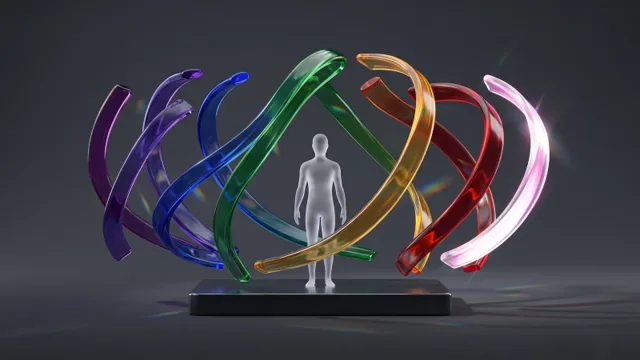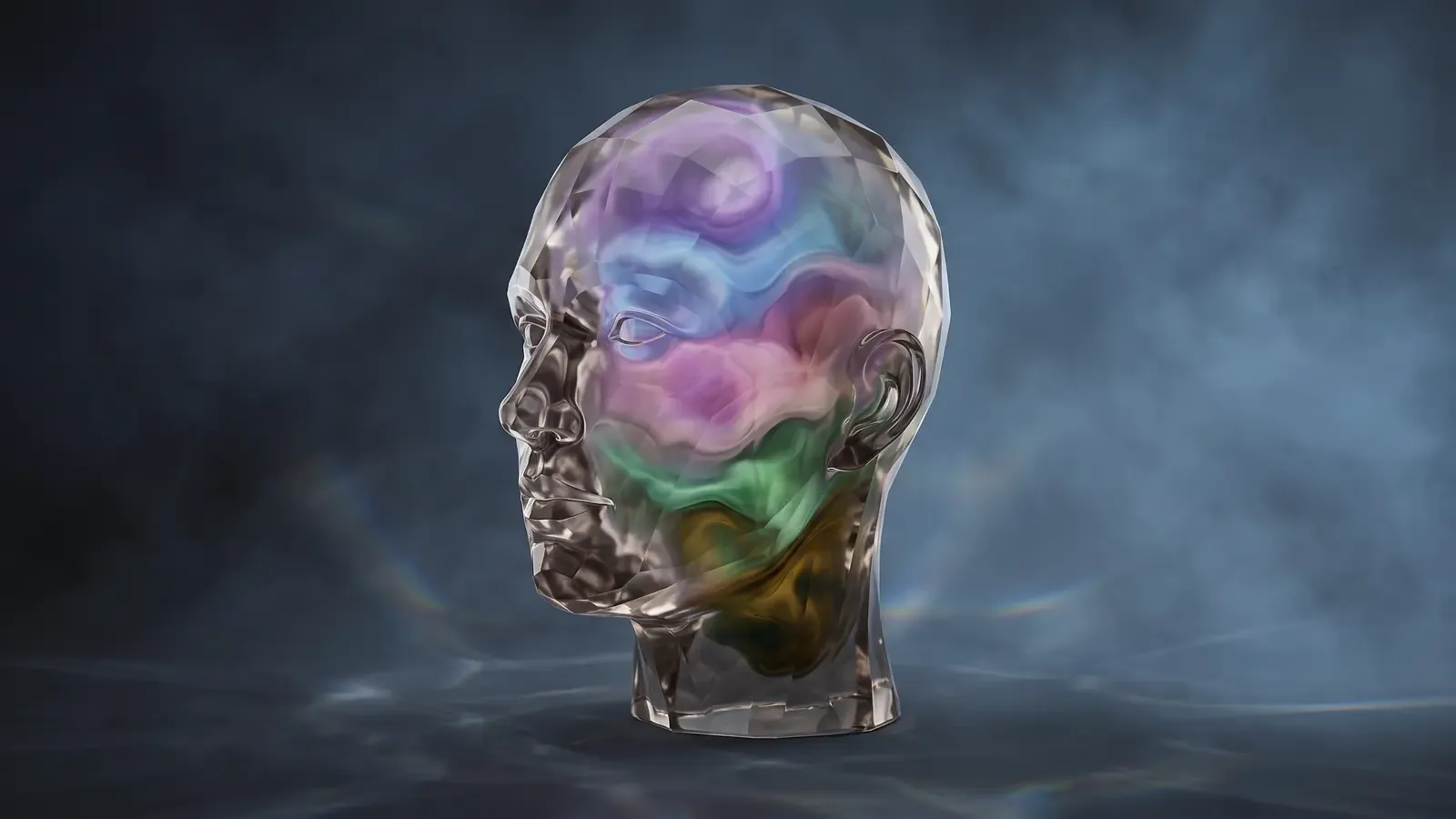
Aura colors and personality are best treated as a symbolic mirror rather than a diagnostic label: color language can help you notice patterns in mood, needs, boundaries, and motivation, but it can’t reliably “prove” who you are. If you’ve ever been told you have a blue aura so you must be calm, or a yellow aura so you must be creative, it may have felt oddly accurate—or completely off. That tension is a useful starting point. The most grounded way to work with aura color symbolism is to explore it through journaling, context, and consent, not certainty.
Aura colors as a personality lens, not a personality test
In modern spiritual communities, aura colors are often discussed as if they were a personality profile. You’ll hear phrases like “green auras are healers” or “purple auras are intuitive.” In practice, these meanings come from blended traditions, esoteric color correspondences, and contemporary metaphors. That doesn’t make them worthless. It simply means they function more like a creative vocabulary than a measurement.
Personality is complicated: it changes with stress, safety, relationships, age, and season of life. A color symbol, by contrast, is a snapshot. Even if you feel strongly drawn to one color, that may reflect what you’re learning, what you’re craving, or what you’re practicing right now.
If you want the bigger context of what people mean by “aura” in spiritual conversation (and what it is not in medical contexts), start with this overview: What Is an Aura? Meaning and Spiritual Traditions.
Limits of personality inference: what aura color talk can and can’t do
Aura-color personality claims tend to go wrong in a few predictable ways.
One, they flatten you. You become “a blue person” or “a red person,” even though your real life holds contradictions: you can be emotionally steady at work and overwhelmed at home; generous with friends and guarded with family.
Two, they imply a hierarchy. Some colors get treated as “more spiritual” or “more evolved.” That’s a quick route to spiritual comparison and quiet shame. Symbolically, every color has a mature expression and a stressed expression.
Three, they drift into diagnosis. It’s common online to see color linked to health, trauma, or mental state with way too much confidence. Symbolic systems can support self-reflection, but they can’t replace professional care, and they shouldn’t be used to label other people’s bodies or minds.
Four, they bypass consent. Telling someone “your aura is X, so you’re Y” can feel intrusive, even if meant kindly. The ethical approach is invitation: “Does this resonate?” rather than “This is what you are.”
If you want a practical look at what an aura reading is supposed to involve (questions, boundaries, and how readers typically frame the experience), this companion piece keeps it realistic: What Is an Aura Reading and How Does It Work?.
A practical way to think about aura colors and personality
Instead of treating aura colors as fixed traits, try these three frames.
First, aura color as state. The color reflects what’s active today: your nervous system, your attention, your emotional weather. In this frame, “blue” might mean you’re seeking calm or clarity right now—not that you are permanently calm.
Second, aura color as strategy. The color highlights how you cope or move through the world. “Yellow,” for instance, can symbolize using curiosity, humor, or ideas to navigate uncertainty.
Third, aura color as lesson. The color points to a growth edge. “Green” may show up when you’re practicing patience, repair, or long-game commitment.
These frames keep personality in motion. They also make it easier to work with mixed impressions, because most people don’t experience themselves as a single color.
Symbolic meanings to explore: a grounded color palette
This is not a definitive chart and not a claim that colors “cause” personality. It’s a set of prompts—common symbolic associations you can test against your lived experience.
Red: drive, protection, and immediacy
Symbolically, red often points to survival energy: ambition, sensuality, anger, courage, urgency. In personality terms, red can show up when you’re direct, decisive, competitive, or fiercely protective.
Red can also appear when you’re impatient or when you’re running on adrenaline. Journaling with red symbolism can help you ask: What feels threatened? What do I want badly enough to risk discomfort?
Try noticing where red energy is clean and helpful versus where it’s reactive.
Orange: creativity, social spark, and appetite for experience
Orange often symbolizes play, pleasure, enthusiasm, and social warmth. Personality-wise, it can feel like openness: trying new things, flirting with possibility, moving through life with a “let’s see” attitude.
In its stressed form, orange can become restlessness: starting many things, finishing few; chasing stimulation; saying yes when you mean maybe.
A helpful question here is: What kind of joy is actually nourishing for me right now?
Yellow: confidence, learning, and self-expression
Yellow is commonly associated with optimism, ideas, and expressive energy. In personality reflection, yellow can map to curiosity, quick thinking, wit, leadership through inspiration, or a desire to be seen.
When yellow feels brittle, it can symbolize performance pressure—being “on” all the time—or fear of being underestimated.
If yellow resonates, focus on where your confidence is earned and where it’s performative. Our deeper symbolism guide can help you explore this color without turning it into a personality box: Yellow Aura Meaning: Creativity and Optimism.
Green: growth, repair, and steadiness
Green symbolism is often about balance: renewal, integration, patience, and the willingness to tend what’s living. Personality-wise, green can show up as reliability, generosity, and the ability to stay with something long enough to help it grow.
In a stressed expression, green may become over-responsibility—carrying what isn’t yours—or “fixing” as a way to avoid vulnerability.
If green is a frequent theme for you, explore the difference between support and self-sacrifice. See: Green Aura Meaning: Growth, Balance, and Renewal.
Blue: calm, truth, and relational clarity
Blue is often linked with communication, sincerity, and emotional steadiness. As personality symbolism, blue can reflect someone who values honesty, who listens carefully, or who prefers clarity over intensity.
But blue can also symbolize distance: intellectualizing feelings, withdrawing to stay in control, or using “calm” as armor.
A key prompt: Where am I being peaceful, and where am I being quiet to avoid conflict? For examples of blue in everyday life—conversation patterns, boundaries, and expression—see: Blue Aura Meaning: Calm, Communication, and Expression.
Purple: meaning-making, imagination, and inner life
Purple symbolism often points toward reflection, intuition in the everyday sense of inner knowing, and a longing for depth. Personality-wise, purple can resonate with people who seek purpose, who like to synthesize ideas, or who feel nourished by solitude and imagination.
In its stressed expression, purple can become escapism—getting lost in symbols to avoid practical steps—or feeling chronically misunderstood.
If you’re drawn to purple, try grounding questions: What do I know, what do I suspect, and what am I avoiding? This article stays with symbolism rather than making dramatic claims: What Does a Purple Aura Symbolize?.
Pink: tenderness, belonging, and emotional generosity
Pink often symbolizes compassion, affection, and relational warmth. Personality reflections here include empathy, caretaking, and a tendency to bond quickly.
The growth edge for pink is boundaries. When does kindness become self-erasure? When does closeness become obligation?
If pink resonates, practice naming needs plainly, not just offering comfort. Explore further: Pink Aura Meaning: Compassion and Connection.
White, gold, and black: symbol extremes and why they’re tricky
You’ll sometimes hear that white or gold auras mean spiritual perfection, and black means negativity. These “extreme” interpretations can be seductive—and misleading.
Symbolically, white can mean simplicity, reset, spaciousness, or a desire for clarity. Gold can symbolize mastery, responsibility, visibility, or devotion. Black can symbolize protection, privacy, grief, mystery, or the unknown.
If any of these colors show up in your self-reflection, treat them as themes, not verdicts. Ask what you’re protecting, purifying, or preparing for.
Can your aura color change—and does that affect “personality”?
Many modern readers and spiritual practitioners describe aura colors as changeable: shifting with emotional state, life chapter, or spiritual practice. That view fits well with the idea that color symbolism reflects what’s active in your life rather than what you are forever.
If you’re exploring this question more directly, this piece compares interpretations without insisting on one answer: Can Aura Colors Change? Exploring Different Spiritual Interpretations.
A non-diagnostic journaling exercise: color as self-inquiry
Use this practice when you feel curious about aura colors and personality, but you don’t want to turn it into a label.
Step 1: Choose a color without forcing it
Pick one color that you feel drawn to today. You can base it on:
A color you keep wearing
A color you’ve been dreaming about
A color that shows up repeatedly in your environment
A color you associate with your current mood
If nothing stands out, choose the color you least relate to. Resistance is informative.
Step 2: Write three “true sentences” about your current life
Keep them plain and specific, such as:
“I’m avoiding a conversation I need to have.”
“I feel energized when I learn something new.”
“I’m tired of being the dependable one.”
This anchors the exercise in reality rather than fantasy.
Step 3: Translate the color into three symbolic verbs
Instead of adjectives, use verbs. Example translations:
Blue: clarify, listen, name
Green: tend, repair, commit
Yellow: risk, share, improvise
Purple: reflect, imagine, synthesize
Red: protect, act, initiate
Pink: soften, connect, forgive
Verbs keep the meaning actionable.
Step 4: Ask the two-part question
Write and answer:
“If this color were supporting me, what would it help me do this week?”
“If this color were overused, what would it tempt me to avoid?”
This is the heart of the practice: every symbol has a helpful expression and a shadow expression.
Step 5: Choose one small experiment
Pick a tiny behavior that embodies the supportive side of the color for 24 hours.
Blue experiment: send one clear message instead of hinting.
Green experiment: spend 15 minutes finishing one neglected task.
Yellow experiment: capture ten ideas without judging them.
Pink experiment: offer affection, then state one boundary.
Red experiment: make one decision quickly and live with it.
Purple experiment: journal for ten minutes, then take one practical step.
No grand transformation required—just data.
Step 6: Debrief without verdicts
After a day, write:
“What changed in my body, mood, or choices?”
“What didn’t change?”
“What surprised me?”
Treat the results as information, not a grade.
When aura-color personality talk becomes unhelpful
It’s time to slow down if you notice any of these patterns:
You feel pressured to “match” a color instead of listening to yourself.
You’re using color meanings to justify harmful dynamics (“That’s just my red aura”).
You’re labeling someone else rather than having an honest conversation.
You feel worse after readings—more confused, dependent, or afraid.
If you want a steadier way to orient your spiritual curiosity, values-based reflection can pair well with aura symbolism. Consider: How to Reconnect With Your Personal Values.
A gentle next step: an aura sketch as reflection
If you’d like a guided prompt that keeps the experience exploratory, you can start with the introduction to the free aura sketch reading here: About Aura Sketch & Reading. Treat it like a mirror for journaling: note what resonates, what doesn’t, and what it suggests you try—not what it claims you permanently are.
Aura colors and personality can be meaningful together when you hold them lightly: color as a language for patterns, not a verdict on identity. The most useful question isn’t “What color am I?” It’s “What quality am I being asked to practice right now—and how will I know it’s helping?”
Sources & further reading
Sources provide context for the specific topics discussed. They do not establish supernatural claims or endorse the reading experiences.