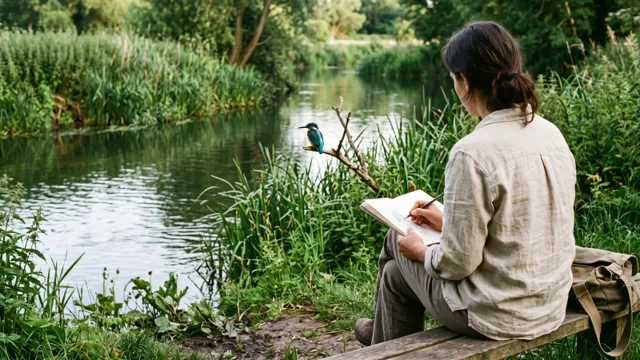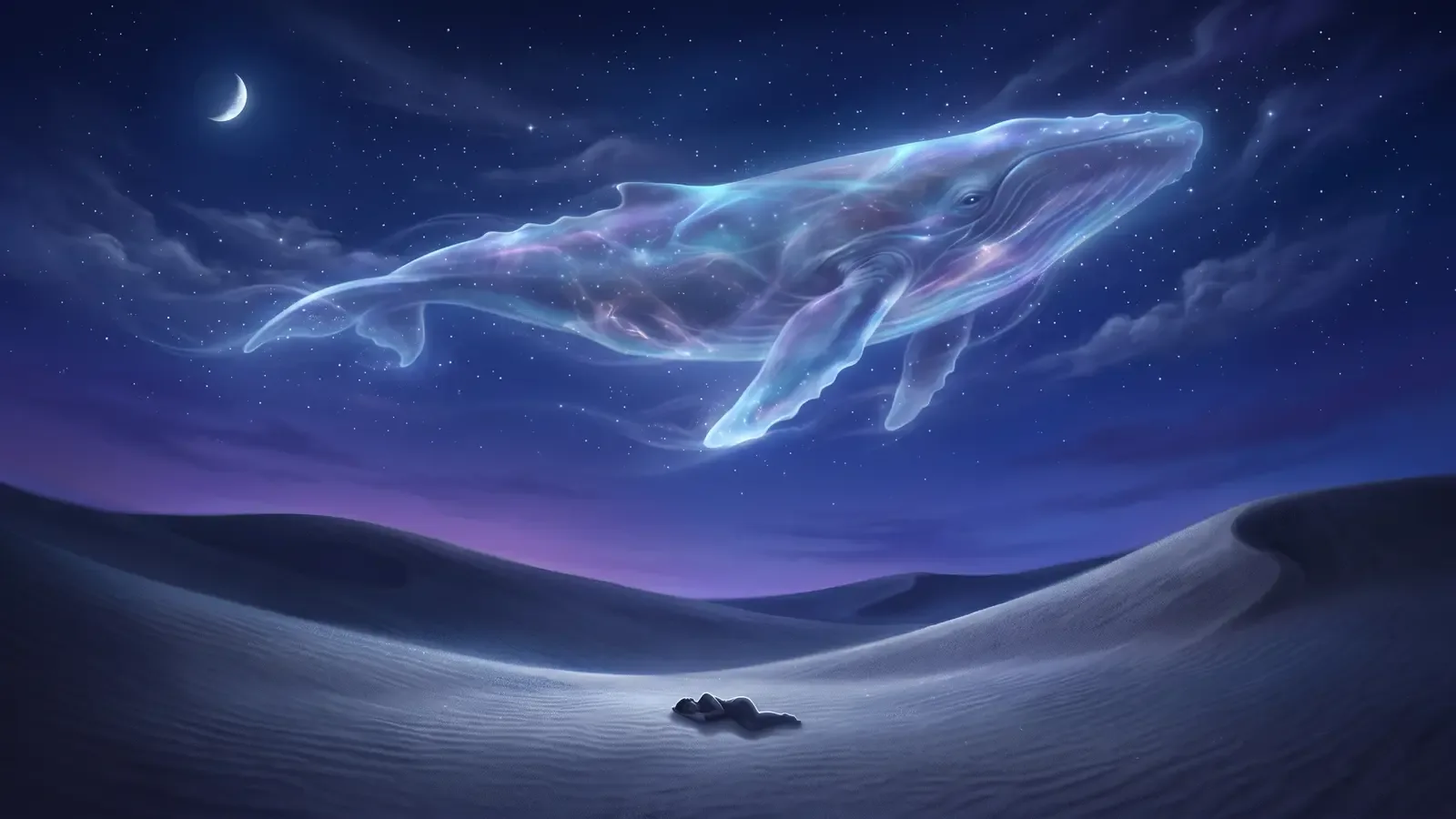
Dreaming about an animal usually means your mind is speaking in a vivid, instinctive language: it’s using a living creature to express a feeling, need, conflict, or change you may not have fully named while awake. The most useful approach isn’t a predictive “dictionary” (“snake means X, cat means Y”), but a reflective one that asks why this animal, why now, and what it was doing in the dream.
This article will help you explore animal dream meaning with uncertainty intact. You’ll leave with a method for interpretation that respects personal history, cultural context, and the reality that dreams can be messy, symbolic, and sometimes simply your brain processing the day.
Why animals show up in dreams so often
Animals are emotionally efficient symbols. They carry a lot of meaning with very little explanation. Even if you don’t consider yourself “a symbolic person,” your nervous system still responds to an animal image quickly: alertness, tenderness, fear, awe, curiosity.
Dreams, especially during REM sleep, often pull from memory, emotion, and imagination to stitch together a story that conveys what’s felt rather than what’s logically argued. An animal makes a perfect messenger for that.
Animals also sit right at the border between “me” and “not me.” They can represent a part of you that feels more instinctive than verbal: hunger, protectiveness, sensuality, wariness, play, dominance, flight, devotion.
Animal dream meaning isn’t fixed: three layers that shape interpretation
If you search “animal dream meaning,” you’ll find confident lists. But your dream isn’t a crossword puzzle with one correct answer. In practice, animal symbolism tends to come from three overlapping layers.
Your personal layer: history, fear, affection, and memory
A dog in a dream means something different to someone who grew up safe with dogs than to someone who was bitten as a child. A horse may feel like freedom if you rode as a teenager, or pressure if you worked around racing culture, or grief if you lost one.
This is why two people can dream of the same animal and carry away opposite meanings. Your associations matter.
The collective layer: common symbolic tendencies
Across modern Western symbolism, certain animals often cluster around certain themes: owls with observation, butterflies with change, wolves with loyalty and independence, deer with gentleness and vigilance. These aren’t rules; they’re tendencies that can give you a starting hypothesis.
If you want examples of how we handle this carefully, our animal symbolism articles model the approach without turning it into a one-line fortune. You can explore Wolf Symbolism: Loyalty, Independence, and Instinct or Owl Symbolism: Wisdom and Observation to see how meaning changes by context.
The cultural layer: tradition, story, and specificity
Many animals have sacred or ceremonial meanings within specific religions and cultures. Those meanings can be profound, but they aren’t automatically “yours” to claim just because an animal appeared in your dream.
If your dream interpretation practice includes spiritual language like “spirit animal,” it helps to understand where that phrase can be sensitive and why specificity matters. Start with What Is a Spirit Animal? Meanings and Cultural Context and, for practical boundaries, How to Explore Animal Symbolism Without Cultural Appropriation.
The single most important question: what was the animal doing?
People often focus on the species first. But in dreamwork, behavior usually carries more meaning than the label.
Ask yourself:
Was the animal watching you, chasing you, guiding you, hiding, injured, nesting, feeding, dying, giving birth, shedding skin, changing shape, speaking?
A snake that’s coiled and still communicates something different than a snake biting your ankle. A bird trapped indoors feels different than a bird flying above you. A bear that stands between you and a door isn’t the same as a bear that ignores you.
If you only remember one thing from this article, let it be this: the verb is the message.
A grounded method to interpret an animal dream (without forcing certainty)
Here’s a simple, repeatable process. It’s designed to keep you honest, curious, and specific.
Step 1: Write the dream in the present tense
Two to five minutes is enough. Present tense helps you re-enter the emotional logic.
“I’m in a hallway. A small fox comes out from under a chair. It looks at me like it’s evaluating me. I feel embarrassed. I try to pick it up and it backs away.”
Don’t interpret yet. Just capture details.
Step 2: Name the strongest feeling, then locate it in your body
Was the dream primarily fear, tenderness, disgust, awe, longing, relief, shame, excitement?
Where did you feel it: throat, chest, stomach, shoulders? Dreams often bypass your rational explanations and go straight to somatic truth. Not “truth” as in prophecy, but “truth” as in honest emotion.
Step 3: Identify the dream’s relationship dynamic
Was the animal:
A threat you couldn’t outrun?
A companion you protected?
A witness you felt judged by?
A guide you followed?
A stranger you didn’t understand?
This dynamic can mirror real-life patterns. For example, recurring dreams of being chased by animals often map onto avoidance: something in waking life you keep postponing, refusing, or numbing.
Step 4: Try three meanings, not one
Instead of hunting for the “right” answer, propose three plausible readings:
A literal-life reading: what recent experience could have seeded the image?
A psychological reading: what inner part might the animal represent?
A symbolic/spiritual reading: what theme might the animal be carrying in modern symbolism or your personal spiritual framework?
You’re not choosing a verdict; you’re widening the lens.
Step 5: Choose one small, non-magical action
Dreamwork becomes practical when it changes how you show up.
If you dreamed of an injured animal, the action might be “be gentler with yourself this week” or “address the task I’m neglecting.” If you dreamed of a confident animal standing its ground, the action might be “practice one clear boundary conversation.”
No guarantee, no prophecy. Just an experiment in self-respect.
Common animal-dream scenarios and what they can point to
These aren’t fixed definitions. Think of them as prompts you can test against your life.
Being chased by an animal
This often echoes urgency. The animal may represent an emotion you don’t want to feel (anger, desire, grief), or a responsibility you’ve tried to outrun. Notice whether the animal feels “evil” or simply relentless. Relentless can be your own energy demanding attention.
If the dream keeps repeating, it may help to ask: What would happen if I stopped running in the dream? Sometimes the psyche keeps staging the chase until you’re ready to turn around.
Finding or rescuing a baby animal
This can relate to tenderness and newness: a new relationship with yourself, a vulnerable project, an emerging boundary, a softer identity that needs protection while it grows.
Also ask: did you feel joy, pressure, or panic? “Cute” dreams can still carry the theme of responsibility.
An animal speaking or behaving like a person
When an animal talks, your mind is giving instinct a voice. Pay attention to the exact words, not just the vibe. Often it’s blunt, simple, and emotionally direct.
Even if you don’t take it spiritually, it can be psychologically useful: the animal may be saying what you’ve avoided saying to yourself.
An animal in your home
Homes in dreams often symbolize the self: your boundaries, private life, family system, inner sanctuary.
An animal entering your home can point to an instinct trying to come inside your conscious identity. That could be play, sexuality, anger, protectiveness, or a need for solitude.
Ask which room. A kitchen-dream feels different than a bedroom-dream or basement-dream.
A wounded, trapped, or dying animal
These dreams can be tender and unsettling. They may reflect grief, empathy fatigue, or a part of you that feels harmed, neglected, or exhausted.
They can also show your deep care. If you wake up shaken, take that response seriously without turning it into an omen. You may simply be touching a real emotional layer that deserves attention.
A wild animal that feels calm or friendly
When something powerful is calm around you, it can suggest growing trust with your own instincts. Not “you’re destined for greatness,” but perhaps: you’re learning to hold intensity without panic.
How to work with animal symbolism without turning it into appropriation
It’s tempting to label any meaningful animal dream as “my spirit animal.” But that phrase carries specific cultural and religious uses in some communities, and treating it as a trendy shorthand can flatten traditions into aesthetics.
A respectful alternative is to say:
“I dreamed of a wolf, and wolf symbolism makes me think about loyalty and boundaries.”
Or:
“I feel drawn to deer imagery lately, and I’m exploring what gentleness and alertness mean in my life.”
If you want a broader educational overview of how animals show up across different religions, mythologies, and cultural stories, visit Animal Symbols Across Spiritual and Cultural Traditions. It’s a good companion when you want context without claiming a tradition as your own.
Dream reflection prompts (useful even when you remember very little)
If your dream is blurry, work with what you have. A single snapshot can still be meaningful.
What was the first thing you noticed about the animal?
What detail won’t leave you alone: its eyes, teeth, feathers, fur, size, smell, sound?
Did you want to move toward it or away from it?
What did the animal allow, and what did it refuse?
If the animal represented a part of you, what would it need from you right now?
If you could re-enter the dream for 30 seconds, what question would you ask the animal?
When an animal dream feels “spiritual” (and when it might be stress)
Some people experience animal dreams as guidance: a feeling of being visited, taught, warned, or comforted. Others experience them as anxiety dreams: startling, repetitive, physically intense.
Both can be meaningful, but they ask for different kinds of care.
If the dream leaves you calmer, clearer, or more connected, you might treat it as symbolic guidance in the modern spiritual sense: a mirror for intuition and values. If you want to sharpen that distinction in daily life, Intuition vs. Anxiety: Understanding the Difference can help you name the felt difference without insisting on certainty.
If the dream leaves you panicked, sleep-deprived, or flooded, the kindest move may be grounding rather than decoding. Drink water, step into daylight, write one paragraph, and give your nervous system a signal of safety. Interpretation can wait.
A simple way to continue: one-page “animal dream dossier”
If animal dreams keep showing up, try collecting them for a month. One page per dream:
The animal and what it did
The main emotion
A real-life parallel (if any)
One possible message
One small action you’ll try
You’re building a relationship with your own symbolism rather than outsourcing meaning to a list.
If you’d like an optional, structured introduction to animal symbolism as a personal reflection practice, you can start here: About Spirit Animal Sketch & Reading. The free introduction is designed to help you begin exploring themes and language without forcing a fixed label.
The point of animal dream meaning is contact, not certainty
A dream about an animal doesn’t have to “predict” anything to matter. It can simply bring you into contact with an instinct, a boundary, a grief, a tenderness, a courage, a desire to change.
When you treat the animal as a question rather than an answer, you give the dream room to become useful.
Sources & further reading
Sources provide context for the specific topics discussed. They do not establish supernatural claims or endorse the reading experiences.